Foundations
Restaurant Marketing: The Complete Operator's Guide
A neutral, operator-first guide to marketing a restaurant: the foundations, the channels that actually move covers, how to budget, and how to measure it — with no tool to sell you.
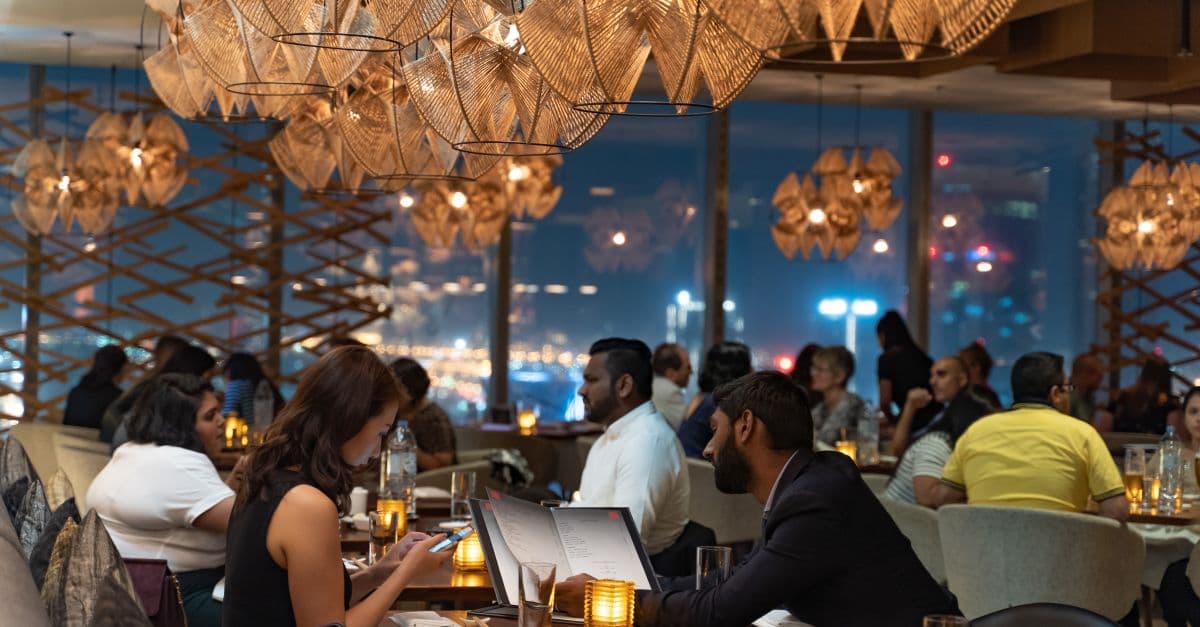
Restaurant marketing is the work of getting the right diners to find you, choose you, and come back — and for most restaurants the biggest wins are free ones you already control, not paid ads. This guide is the map. It covers the foundations that decide whether any marketing works, the channels in the order they usually pay back, how much to spend, and how to tell what is actually filling tables. Every channel here links to a deeper how-to guide, so you can start with the map and go as deep as you need.
We sell nothing — no POS, no ordering platform, no ads. That is the point: this is the neutral version, written for the operator, not to funnel you into a product.
Start with the foundations, not the tactics
Before a single ad or post, three things decide whether your marketing lands. Marketers call them the 4 P's — Product, Price, and Place — and Promotion is the fourth. Most owners rush to Promotion (the ads and posts) and skip the first three, which is why so much restaurant marketing quietly fails.
| The P | For a restaurant, this means | Why it comes first |
|---|---|---|
| Product | Your food, service, and atmosphere — the actual experience | No promotion fixes a dish or a room people do not enjoy |
| Price & Place | Menu pricing, perceived value, location, delivery and online ordering | The wrong price or a hard-to-order-from setup caps every campaign |
| Promotion | Search, social, email, ads, PR — how the word gets out | Only works once the first three are solid |
The practical takeaway: know exactly who you are for and why they would choose you. A neighborhood taqueria, a special-occasion steakhouse, and a fast-casual salad spot should market in completely different ways, because their diners decide in completely different ways. Write down, in one sentence, the person you are trying to reach and the reason they pick you over the place next door. Everything below gets easier once that sentence is clear.
Your menu is part of that product-and-price decision, and a selling document in its own right — how you price, describe, and lay out dishes steers what guests order and how much they spend. See our guide to menu engineering for restaurants.
 Chefs working the line in a busy restaurant kitchen
The channels, in the order they pay back
There is no single "best" way to market a restaurant — there is a sensible order. Free, high-intent, and repeat-visit channels come before paid reach. Here is the stack, cheapest and highest-leverage first.
1. Local search and your Google Business Profile
When someone searches "restaurants near me" or "tacos downtown," Google answers with a map and three highlighted businesses. Winning a spot there drives walk-ins and calls, and it costs nothing but attention. Your free Google Business Profile is the single highest-leverage thing most restaurants own.
Start here before anything paid. Our guides go deep:
- Restaurant SEO — how local search works and how to rank in the map pack.
- Google Business Profile for restaurants — set it up completely and keep it active.
2. Owned channels: email, SMS, and loyalty
The diners you already served are the cheapest to bring back, and a first-time guest who never returns is a marketing loss. Owned channels — an email list, an SMS list, a loyalty program — let you reach past guests directly, for free or nearly so, without paying a platform for every impression.
- Restaurant email marketing — welcome, win-back, birthday, and VIP campaigns that turn visitors into regulars.
- Restaurant loyalty programs — the program types (punch card, points, tiered, app-based) and which fits your restaurant.
3. Social media
Social is where your food and personality do the selling. It builds familiarity and gives people something to share, and good food photography is the raw material for all of it.
- Restaurant social media marketing — a realistic posting approach for a busy operator.
- Food photography for restaurants — how to shoot your own dishes well with a phone.
4. Paid advertising
Paid ads add reach on top of the free foundations — they are the accelerator, not the engine. Turn them on once your profile, reviews, and owned channels are working, so paid clicks land on a restaurant that is already easy to find and choose.
- Restaurant advertising — how paid and free channels fit together, and how much to spend.
- Paid search for restaurants — appear at the top for high-intent searches like "book dinner tonight."
- Facebook and Instagram ads — reach nearby diners on social for as little as a few dollars a day.
- Display and banner ads — cheap local awareness and retargeting past website visitors.
 A person using a smartphone at an outdoor cafe table
How much should a restaurant spend on marketing?
There is no universal number, but a useful frame comes from the 30/30/30 rule — an informal rule of thumb where roughly 30 percent of revenue goes to food and beverage, 30 percent to labor, and 30 percent to overhead, leaving around 10 percent profit. Marketing lives inside that overhead slice. For the numbers behind those slices, see restaurant profit margin, prime cost and the food cost calculator.
In practice, many operators budget marketing as a small percentage of revenue and adjust it based on results. A new restaurant or a grand opening spends more to build awareness; an established neighborhood spot with a full reservation book spends less. The right approach is not a fixed percentage — it is to start small, measure what fills tables, and move money toward whatever works. Spending on a channel you are not measuring is how marketing budgets disappear.
Two rules keep spending sane:
- Fix the free foundations before you pay for reach. A complete Google Business Profile and a review habit cost nothing and out-perform most paid campaigns.
- Never scale a channel you cannot measure. If you cannot tell whether an ad brought in a cover, do not increase its budget.
How to measure restaurant marketing
Likes and followers are easy to count and rarely pay rent. Track the signals that connect to actual business:
- Covers and reservations — the real goal. Note whether a promotion moved bookings.
- Google Business Profile insights — searches, views, calls, direction requests, and website clicks, all free in your profile dashboard.
- Repeat-visit rate — the share of guests who come back. Owned channels (email, loyalty) are what move this.
- Cost per acquired guest — for any paid channel, roughly what you spent divided by the guests it brought in.
- Reviews — count and average rating trending up over time.
Set up a free analytics tool on your website from day one so you are never guessing. You cannot improve what you do not measure, and measuring is what tells you where to spend next. Your point of sale and ordering systems hold most of these numbers; our restaurant technology guide explains what each should give you.
Common restaurant marketing mistakes
- Starting with paid ads. Reach bought before the free foundations are set wastes money sending people to a restaurant that is hard to find and choose.
- Chasing vanity metrics. Followers and likes feel like progress; covers and repeat visits are progress.
- Ignoring reviews. Reviews drive both local ranking and diner choice — BrightLocal's 2026 Local Consumer Review Survey found 97 percent of consumers read reviews when choosing a local business. Not asking for them, or not responding, leaves the biggest free lever untouched.
- No way to bring guests back. With no email, SMS, or loyalty list, every first visit is a one-off and you pay again to reach the same person.
- Inconsistent business information. A wrong address or old phone number across the web confuses both diners and Google.
- Marketing before the product is ready. Promotion amplifies whatever the experience is — including a bad one.
Where to start this week
If you do nothing else, do these three, in order:
- Claim and complete your Google Business Profile and start asking happy guests for reviews.
- Set up one owned channel — an email list or a simple loyalty program — so you can bring guests back.
- Pick one social platform and post your food consistently, using decent photos you shot yourself.
That is the whole engine in miniature: get found, bring people back, show your food. Paid advertising makes it bigger, but this is the part that works even on a zero budget — and it is where every restaurant should start. For a longer menu of tactics to pick from, browse 54 restaurant marketing ideas.
Frequently asked questions
How do you do marketing for a restaurant?
Start with the foundations, then pick channels in the order they pay back. First get your Google Business Profile complete and collect reviews, because most diners find restaurants by searching locally. Next set up owned channels you control for free — an email or SMS list — so you can bring guests back. Then layer on social media to show your food and personality, and add paid ads (Google or Facebook/Instagram) once the free basics are working. Budget a small, steady amount, measure covers and repeat visits rather than likes, and double down on whatever channel actually fills tables.
What are the 4 P's of marketing for restaurants?
The 4 P's are Product, Price, Place, and Promotion — a classic framework for making marketing decisions. For a restaurant, Product is your food, service, and atmosphere; Price is your menu pricing and perceived value; Place is your location, delivery apps, and online ordering; and Promotion is how you get the word out (search, social, email, ads, PR). Most owners jump straight to Promotion, but the first three decide whether promotion even works — great marketing cannot fix a weak product or the wrong price.
How do you attract more customers to a restaurant?
Be findable and be worth choosing. Win local search by completing your Google Business Profile and earning steady reviews, since that is where same-day diners look. Give people a reason to pick you over the place next door — a signature dish, a clear atmosphere, a fair price. Then build repeat visits with an email or loyalty program so a first visit becomes a habit. Paid ads can add reach on top, but findability, a real reason to choose you, and a way to bring people back do most of the work.
What is the 30/30/30 rule for restaurants?
The 30/30/30 rule is an informal budgeting rule of thumb: roughly 30 percent of revenue goes to food and beverage costs, 30 percent to labor, and 30 percent to overhead (rent, utilities, marketing, and other fixed costs), leaving around 10 percent as profit. It is a starting benchmark, not a law, and it varies a lot by concept. Marketing spend usually sits inside that overhead slice. See our dedicated explainer on the 30/30/30 rule for restaurants for how it works and where a marketing budget fits.