Advertising
Restaurant Advertising: Ideas, Channels, and How Much to Spend
The complete overview of how to advertise a restaurant — the free tactics, the paid channels, offline ideas, real examples, and a sane way to set your budget.
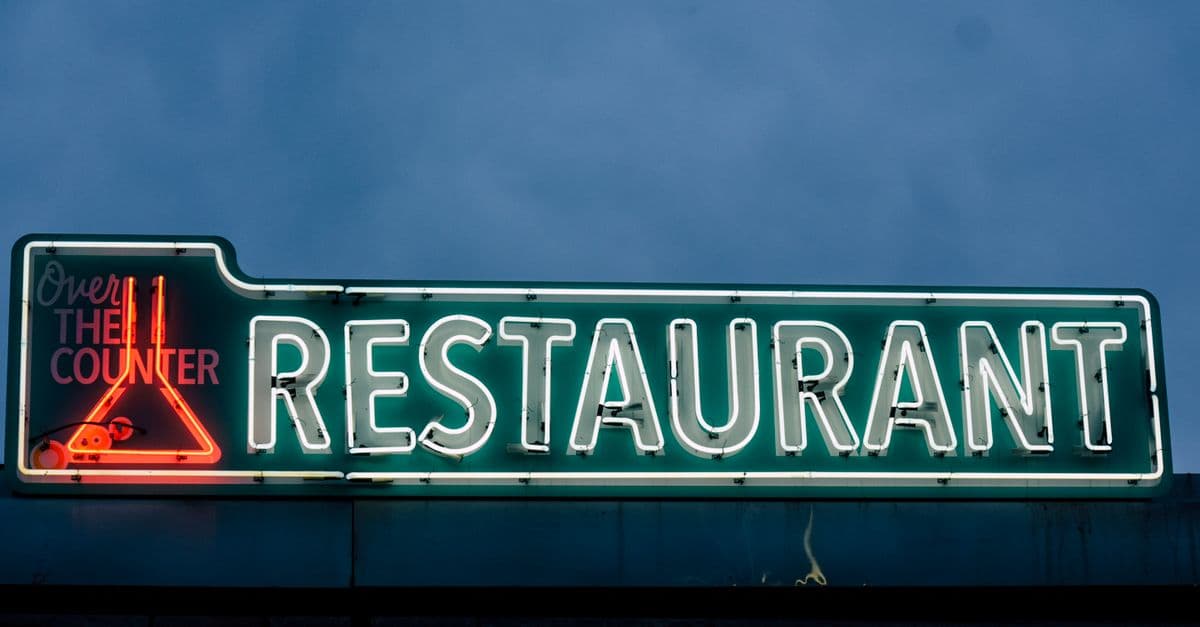
The best way to advertise a restaurant is not one channel — it is a small, deliberate mix of free and paid tactics that reach diners at the moment they decide where to eat. This is the overview: what each channel does, when to use it, real examples of restaurant ads, and a sane way to set your budget. Each section links to a deeper, step-by-step guide when you are ready to act on one.
Best ways to advertise a restaurant: paid vs free
Think of restaurant advertising in two buckets, and use both:
- Free channels cost time, not money, and compound over the long run: your Google Business Profile, local SEO, organic social media, email, and word of mouth. Every restaurant should max these out first — they are the foundation.
- Paid channels cost money but deliver reach and speed you can turn on immediately: Google search ads, Facebook and Instagram ads, and display. Layer these on top once the free foundations are in place, and put money only where you can measure a return.
The winning approach for most independents: nail the free foundations, then add paid channels to accelerate — always tracking what comes back.
| Channel | Type | What it does |
|---|---|---|
| Google Business Profile + local SEO | Free | Wins the map pack. Slow build, compounds |
| Organic social | Free | Builds familiarity with nearby diners |
| Free | Brings past customers back | |
| Google search ads | Paid | Catches people Googling to dine now |
| Facebook / Instagram ads | Paid | Targets nearby diners by radius |
| Display + retargeting | Paid | Broad awareness and past site visitors |
Free tactics (do these first)
These reach high-intent local diners at no media cost.
- Google Business Profile and local SEO. The free Google Business Profile listing powers the map results diners see first. Complete every field, add real photos and your menu, and earn reviews. This is the highest-leverage free thing you can do — the full playbook is in the restaurant SEO guide.
- Organic social media. Post appetizing food photos, events, and behind-the-scenes moments on Instagram and Facebook. It builds familiarity and gives people a reason to choose you, for free.
- Email marketing. The one audience you own outright. Build a list from your customers and bring them back with specials and events — see restaurant email marketing.
- Word of mouth and partnerships. Encourage reviews and referrals, and partner with nearby businesses, hotels, and events. Still one of the most trusted forms of restaurant advertising there is.
 A restaurant's chalkboard sidewalk sign advertising the day's specials
Paid tactics (accelerate what works)
When you are ready to spend, three paid channels cover most restaurants:
- Google search ads (paid search). Put your restaurant at the top the moment someone searches "restaurants near me" or your cuisine plus your city. This is bottom-of-the-funnel — you reach people ready to dine now, and you only pay per click. Full setup, day-parting, and keyword depth in the paid search for restaurants guide.
- Facebook and Instagram ads. Reach nearby diners on social with food photography and specific offers, on a budget as small as 5 dollars a day. The complete playbook is in the Facebook ads for restaurants guide.
- Display and retargeting. Banner ads across websites and apps (via the Google Display Network) build awareness and re-reach people who visited your site. Cheaper per impression than search, better for awareness than immediate bookings — best added once search and social are working. See the full display and banner ads guide.
 People walking past outdoor restaurant tables on a lit street in the evening
Local restaurant advertising
Digital does most of the work now, but local and offline tactics still fill tables, especially for neighborhood spots:
- Signage and your storefront — clear, attractive signs and a sidewalk chalkboard advertising specials turn foot traffic into diners.
- Local print and community media — neighborhood papers, event programs, and local guides can still reach the right nearby audience.
- Local events and sponsorships — a booth at a food festival, sponsoring a local team, or hosting a community night builds real-world visibility and goodwill.
- Flyers, menus, and door hangers — targeted to your immediate radius, still effective for takeout and delivery.
15 restaurant advertising ideas
A working list, free and paid, each with where to go next. Pick two or three that fit your restaurant and run them properly rather than trying all fifteen.
- Run Google search ads on your cuisine plus your neighborhood ("thai food [neighborhood]"), so you show up the moment someone is choosing. Setup in paid search for restaurants.
- Only pay for ads while you are open. Schedule search and social ads to your service hours so you are not buying clicks at 2 a.m. The schedule settings are covered in the same paid search guide.
- Target a tight radius on Facebook and Instagram with your single best dish photo and one clear offer. See Facebook ads for restaurants.
- Retarget people who looked at your menu online but did not book, with cheap display ads. See display and banner ads.
- Give your slowest night a reason: one specific, repeatable weeknight special, advertised everywhere below.
- Post specials and events on your Google Business Profile, so they appear where people find you on Search and Maps. See the Google Business Profile guide.
- Put today's special on a sidewalk chalkboard. Cheap, flexible, and it talks to everyone walking past.
- Leave menus with nearby hotel front desks and concierges, and lunch flyers with nearby offices.
- Sponsor something local: a youth team, a school fundraiser, a neighborhood festival. Real-world goodwill turns into visits.
- Advertise in neighborhood newsletters and community groups, where the group's rules allow it.
- Drop flyers or door hangers across your delivery radius if takeout and delivery matter to you.
- Run one message across every channel for holidays and occasions: the same Valentine's or Mother's Day booking push in your window, email, social and ads.
- Pitch local food writers when something is genuinely new: an opening, a new chef, a menu change. Free coverage beats paid space.
- Use your menus, receipts and table cards to grow your email list, then bring those guests back. See restaurant email marketing.
- Reward guests who bring a friend. A simple referral offer turns regulars into your advertising. See restaurant loyalty programs.
For a longer list that goes beyond advertising into menu, retention and community ideas, see restaurant marketing ideas.
Restaurant advertising examples
You do not need a big-agency campaign — the most effective restaurant ads are simple and specific. A few common formats and what makes them work:
- The neon or window sign (like the photo at the top of this page): instant, always-on advertising to everyone who passes. It works because it is bold, memorable, and reinforces your brand every day.
- The chalkboard specials sign: cheap, flexible, and urgent. It advertises today's reason to come in and can change daily.
- The social food photo with an offer: a mouthwatering dish plus "Taco Tuesday, 2-for-1 tonight" and a clear call to action. Simple to make, and it performs because it pairs craving with a reason to act now.
- The Google search ad: a tight text ad for "italian restaurant [neighborhood]" with call and location extensions, catching people at the exact moment of intent.
- The event or holiday promotion: "Book your Valentine's table" across email, social, and your window — the same message, everywhere your audience looks.
The pattern across all of them: an appetizing hook, a specific reason, and one clear action. That formula beats a clever but vague brand ad every time.
 A cafe owner planning spend on a laptop behind a counter of pastries
How much should you spend?
There is no magic number, but here is a sensible way to decide:
- Treat "percent of revenue" rules loosely. You will see 3 to 6 percent of revenue quoted all over the web as a restaurant marketing budget, usually credited to the National Restaurant Association's operations report. That report is not public, and we could not check the figure against it, so treat the band as a rule of thumb, not a benchmark. New restaurants usually need to spend more while they build awareness; established ones with a full book can spend less.
- Remember the 30/30/30 rule. Your marketing budget lives inside the "overhead" slice of restaurant economics (roughly 30% food, 30% labor, 30% overhead, ~10% profit). That framing keeps ad spend lean and honest.
- Start small and scale to results. A local restaurant can run meaningful paid campaigns on 5 to 30 dollars a day per channel. Begin low, track what each channel returns in bookings, orders, and calls, and move budget toward the winners.
- Free first, paid second. Because the free foundations (profile, SEO, social, email) cost only time, every dollar of paid spend should be additive — accelerating a base that is already working.
The goal is not to spend a fixed sum; it is to spend where you can prove a return and keep the rest of your budget for the food, the room, and the team.
Start with the channel you need
This guide covers advertising. For the complete marketing picture — advertising plus organic search, owned channels, and social — start with the restaurant marketing guide. Then pick the deep-dive that matches where you are right now:
- Paid search for restaurants — capture people actively Googling for a place to eat.
- Facebook and Instagram ads — reach nearby diners on social from 5 dollars a day.
- Restaurant SEO — win the free map pack and local search.
- Google Business Profile — the free listing that powers the map pack.
- Restaurant social media marketing — build familiarity and reach on Instagram and Facebook.
- Restaurant email marketing — turn diners into regulars with the audience you own.
- Restaurant loyalty programs — reward repeat visits and build a habit.
Frequently asked questions
What is the best way to advertise my restaurant?
There is no single best channel — the best approach combines a few. Start with the free foundations that reach people at the moment of decision: a complete Google Business Profile and local SEO, plus active social media. Then add paid channels where they pay off: Google search ads to capture people actively looking for a place to eat, and Facebook and Instagram ads to reach nearby diners with food photos and offers. Finally, use email to bring past customers back. The right mix depends on your concept, location, and budget, but that layered approach fits most restaurants.
How do I advertise my restaurant for free?
The most powerful free tactics are your Google Business Profile, organic social media, and email. Fully complete and regularly update your Google Business Profile, since it drives the map results diners see first, and actively collect reviews. Post real food photos and events on Instagram and Facebook. Build an email list from your customers and send specials and events. Add local SEO on your website, encourage word of mouth, and partner with nearby businesses. None of these cost money — only time and consistency.
How much should a restaurant spend on advertising?
You will often see 3 to 6 percent of revenue quoted, but we could not trace that figure to a public source, so treat it as a loose rule of thumb. New restaurants usually spend more early on to build awareness, and established ones less. The honest answer is to start small, tie spend to results, and scale what works. A local restaurant can run meaningful paid campaigns on 5 to 30 dollars a day per channel. Track what each channel returns in bookings, orders, and calls, then move budget toward the winners rather than committing a big fixed sum up front.
What is the 30/30/30 rule?
The 30/30/30 rule is an informal guideline for overall restaurant economics, not an advertising rule. It suggests targeting about 30 percent of revenue for food and beverage costs, 30 percent for labor, and 30 percent for overhead such as rent, utilities, and marketing, leaving roughly 10 percent profit. It is relevant to advertising because your marketing budget comes from that overhead slice, so the rule is a reminder to keep ad spend lean and results-driven rather than open-ended. Treat it as a rough benchmark, since the real numbers vary widely by concept.