Organic & Local
Local SEO for Restaurants: How to Rank in the Map Pack
Local SEO is most of restaurant SEO. The biggest lever is your Google Business Profile, not blog posts. Here's how to rank in the map pack, on Google Maps, and in local search.
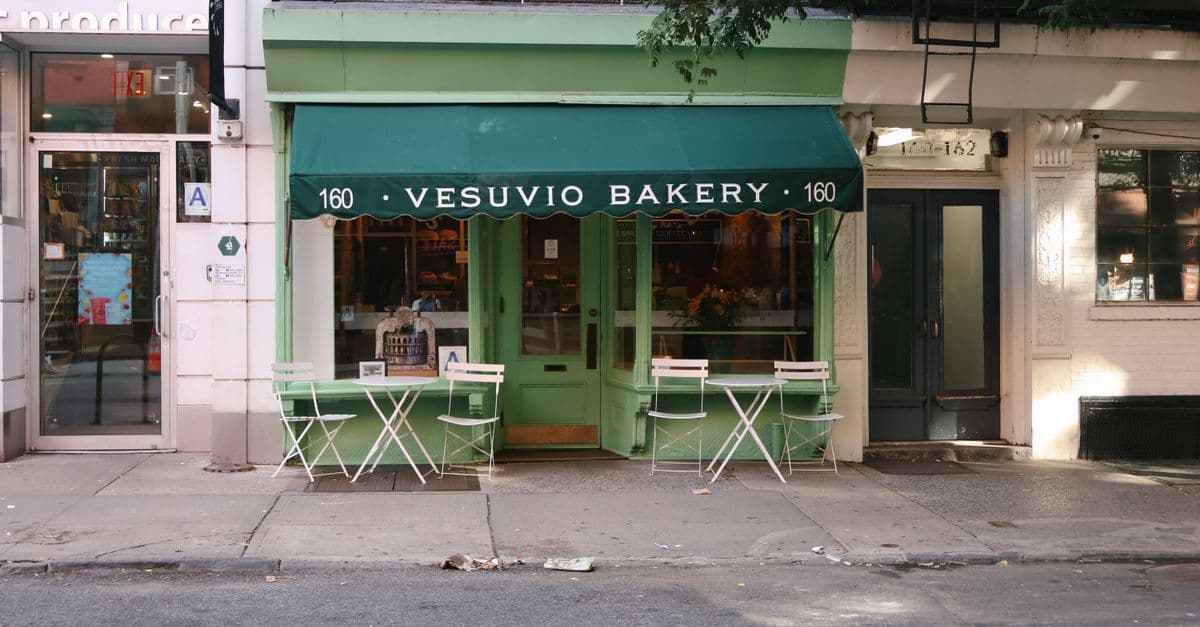
Local SEO is most of restaurant SEO, and the single biggest lever is your Google Business Profile — not your blog. When someone searches "restaurants near me" or "sushi downtown," Google shows a map with three highlighted businesses (the "map pack") above the regular results. Winning a spot in that map pack, and ranking well on Google Maps, is what actually drives walk-ins and calls. This guide focuses on the levers that move those local rankings, in the order they matter.
What restaurant SEO is, and why it's local-first
Search engine optimization means shaping your online presence so people find you first when they search. For most businesses that means ranking web pages. For restaurants, the game is different: people search with clear local, same-day intent, and Google answers with a map. So the highest-value real estate is not page one of the blue links — it is the map pack and Google Maps themselves.
That reorders the whole priority list. A perfectly written 2,000-word blog post will do less for a restaurant than a fully completed Google Business Profile with fifty genuine reviews. Start where the diners actually are.
 A person using a maps app on a smartphone to find a nearby restaurant
Google Business Profile: the number-one lever
Your Google Business Profile (the free listing that powers the map pack and the panel on the right of search results) is the most important thing you own for local SEO. Claim it, verify it, and complete every field:
- Name, address, phone (NAP) — exactly as they appear everywhere else online.
- Categories — set a precise primary category (e.g. "Italian Restaurant," not just "Restaurant") plus relevant secondary ones.
- Hours — accurate, including holiday hours. Wrong hours frustrate diners and hurt trust.
- Menu and attributes — add your menu, price range, and attributes like outdoor seating, takeout, reservations, and dietary options.
- Photos — real, appetizing photos of food, interior, and exterior. Profiles with strong photos get more clicks and visits.
- Posts and updates — use Google Posts for events and specials to keep the profile active.
A complete, active profile signals relevance and prominence to Google — two of the three things it ranks on. For the full step-by-step setup, see our dedicated Google Business Profile guide.
How the map pack is ranked
Google is unusually transparent about local ranking. Per its own how local results are determined guidance, three factors decide the order:
| Factor | What it means | Can you influence it? |
|---|---|---|
| Relevance | How well your profile matches what was searched | Yes — accurate categories, services, menu, and description |
| Distance | How close you are to the searcher | No — but relevance and prominence can offset it |
| Prominence | How well-known and well-reviewed you are | Yes — reviews, consistent citations, real-world reputation |
You cannot move your restaurant, but you can win on relevance and prominence — which is exactly where reviews and a complete profile pay off.
How to rank higher in the map pack without paid ads
Every lever below is free, and Google states plainly that there is no way to pay for a better local ranking. Work through them in this order:
- Pick the most precise primary category on your Google Business Profile ("Thai Restaurant", not "Restaurant"), then add accurate secondary categories.
- Fill in every profile field: hours (including holidays), menu, price range, attributes, services, and a plain description of what you serve.
- Earn genuine reviews and reply to every one. Google says more reviews and positive ratings can help local ranking, and replies show diners you listen.
- Make your name, address and phone identical everywhere you are listed, starting with Google, Apple Maps, Yelp and TripAdvisor.
- Give your website a text menu and a location page that match your profile, with
Restaurantstructured data. - Keep the profile active: new photos and posts for specials and events show Google, and diners, that you are open and current.
What not to do: Google's own guidelines for representing your business say your business name must match your real-world name. Adding keywords to it ("Luigi's Best Pizza Downtown") breaks the rules and can get the profile suspended.
 A laptop open on a food business's website beside fresh produce
On-page SEO: menu, location, and schema
Your website still matters, both for direct search and for feeding Google clear information. Three essentials:
- A real menu page in text (not just a PDF or an image). Search engines read text, and diners search for dishes. A crawlable menu page helps you rank for "[your dish] near me."
- A location page with your address, hours, map, and phone number — matching your Google Business Profile exactly.
- Structured data (schema) so search engines understand you are a restaurant, where you are, and what you serve.
Structured data is code you add to your pages that describes your business in a format Google reads directly. For a restaurant, the Restaurant type (a subtype of LocalBusiness) is what you want. Here is a minimal example you can adapt:
{
  "@context": "https://schema.org",
  "@type": "Restaurant",
  "name": "Your Restaurant Name",
  "servesCuisine": "Italian",
  "priceRange": "$$",
  "address": {
    "@type": "PostalAddress",
    "streetAddress": "123 Main St",
    "addressLocality": "Your City",
    "addressRegion": "CA",
    "postalCode": "90000"
  },
  "telephone": "+1-555-123-4567",
  "openingHours": "Tu-Su 17:00-22:00",
  "url": "https://yourrestaurant.com",
  "menu": "https://yourrestaurant.com/menu",
  "acceptsReservations": "True"
}
You can also mark up your menu with the Menu and MenuItem types so dishes and prices are machine-readable. Google's local business structured data documentation lists every supported field, and its Rich Results Test validates your markup before you publish.
Reviews: the prominence engine
Reviews are one of the strongest prominence signals, and they influence diners directly. Two habits matter:
- Ask, consistently. Train staff to invite happy customers to leave a Google review; add a QR code on the receipt or table card that links straight to your review form.
- Respond to all of them. Thank positive reviewers and answer negative ones calmly and constructively. Google rewards active engagement, and prospective diners read your responses.
A steady flow of genuine, recent reviews with owner replies beats a burst of reviews followed by silence. Never buy or fake reviews — it violates Google's policies and diners can smell it.
 A blue and white 'open' sign hanging in a restaurant window
Citations and NAP consistency
A citation is any mention of your business's name, address, and phone number across the web — Yelp, TripAdvisor, Apple Maps, local directories, food apps. Google cross-checks these to confirm you are a real, consistent business. The rule is simple but easy to break: your NAP must be identical everywhere — same spelling, same suite number, same phone format. Inconsistent listings (an old address, a former phone number) confuse Google and weaken your prominence. Audit your major listings and fix mismatches.
The content layer
Content sits below the profile and reviews for restaurants, but it still helps — especially for capturing specific searches your competitors ignore:
- Menu and dish pages that can rank for "[signature dish] in [city]."
- Occasion and FAQ content: private events, large groups, dietary options, parking. These answer real questions and earn long-tail search.
- Local relevance: a page about your neighborhood, your sourcing, or an event you host builds topical connection to your area.
Keep it genuine and useful. Thin, keyword-stuffed pages do nothing; a helpful private-events page can win bookings for years.
Local SEO for multiple locations and franchises
Running more than one location changes the work in three ways:
- One profile per location, never more. Google's guidelines allow one Business Profile for each real location, and every location in the same country should use the same business name and the same primary category.
- One location page per site, per location. Each page carries that location's own address, phone, hours, menu differences and map, matching its profile exactly, plus its own
Restaurantstructured data. - Verify in bulk once you pass ten. Businesses with 10 or more locations of the same business can verify their profiles in bulk instead of one at a time.
Reviews and rankings belong to each location, not the brand. A strong flagship does not lift a weak suburb location, so run the review routine at every site and check map-pack presence from each neighborhood you serve.
Measuring local SEO
Watch a few signals to see progress:
- Google Business Profile insights — searches, views, calls, direction requests, and website clicks straight from your profile.
- Map-pack presence — search your key terms (in an incognito window, from your area) and see whether you appear.
- Reviews — count and average rating trending up over time.
- Website traffic from search, via a free analytics tool.
Local SEO compounds. A profile you complete and tend, plus reviews you steadily earn, keeps working long after you set it up — free visibility right where diners are deciding.
Where to go next
SEO earns the free local visibility; pair it with the channels that add reach and repeat visits:
- Restaurant marketing — the complete overview of how every channel fits together.
- Google Business Profile for restaurants — the step-by-step setup for the map-pack listing that matters most.
- Restaurant advertising — how paid and free channels fit together, and how much to spend.
- Paid search for restaurants — appear at the very top for high-intent searches while your SEO builds.
- Facebook and Instagram ads — reach nearby diners on social.
- Restaurant email marketing — turn the visitors SEO sends you into regulars.
Frequently asked questions
How do I do SEO for my restaurant?
Start local. Claim and fully complete your Google Business Profile, since it drives the map pack that appears above the regular results. Keep your name, address, and phone number identical everywhere online, choose accurate categories, add real photos and your menu, and actively collect reviews. Then make sure your website has a proper menu page, a location page with your address and hours, and structured data so search engines understand you. For most restaurants, the Business Profile and reviews matter far more than blogging.
What is SEO in food?
SEO in the food and restaurant world means optimizing your online presence so people searching for somewhere to eat find you first. Most of it is local SEO: ranking in Google's map pack and on Google Maps for searches like 'pizza near me' or 'best brunch downtown'. It combines a well-managed Google Business Profile, consistent business information across the web, genuine customer reviews, and a website that clearly presents your menu, location, and hours to both diners and search engines.
Do restaurants need SEO?
Yes, because the way people choose where to eat is overwhelmingly a search: 'restaurants near me', 'thai food open now', 'romantic dinner downtown'. If you are not visible in those local results and on the map, a competitor who is will get that diner. The good news is that restaurant SEO is largely free and within your control. A complete Google Business Profile, consistent listings, steady reviews, and a clear website can put you in front of high-intent local searchers without paying for every click.
How do I rank on Google Maps?
Google ranks map results on three factors: relevance (how well your profile matches the search), distance (how close you are to the searcher), and prominence (how well-known and well-reviewed you are). You cannot change your location, but you can strongly influence the other two. Fully complete your Google Business Profile with accurate categories and services, keep your business information consistent across the web, and steadily earn genuine reviews and respond to them. Real photos and regular profile updates help too.